
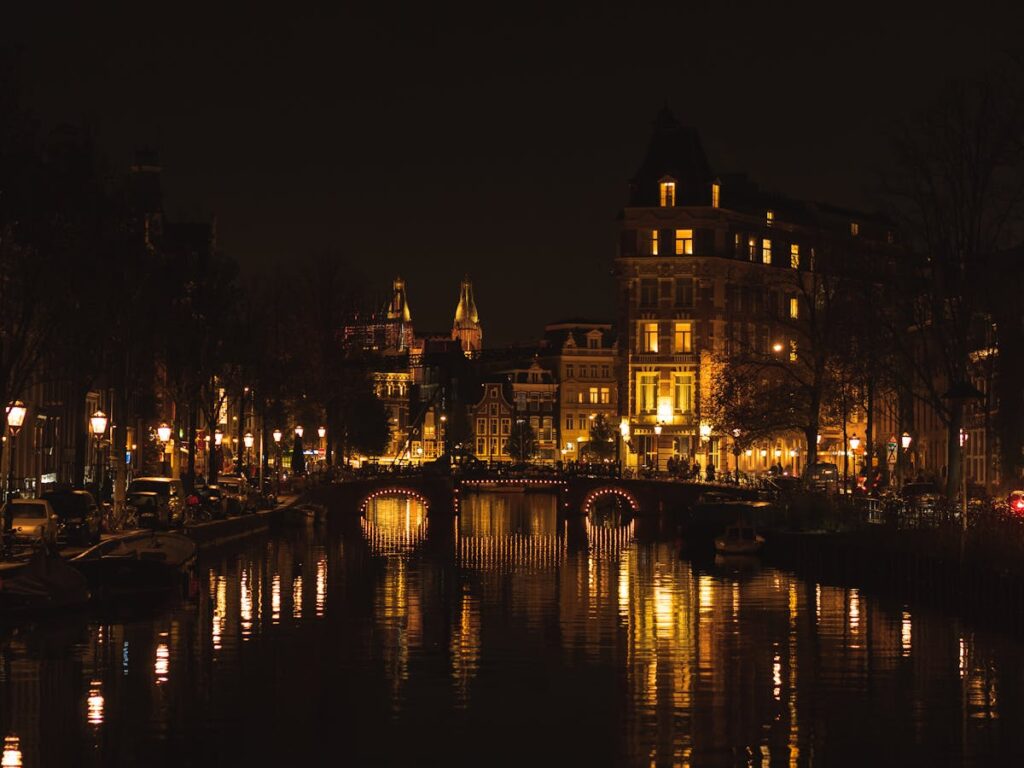
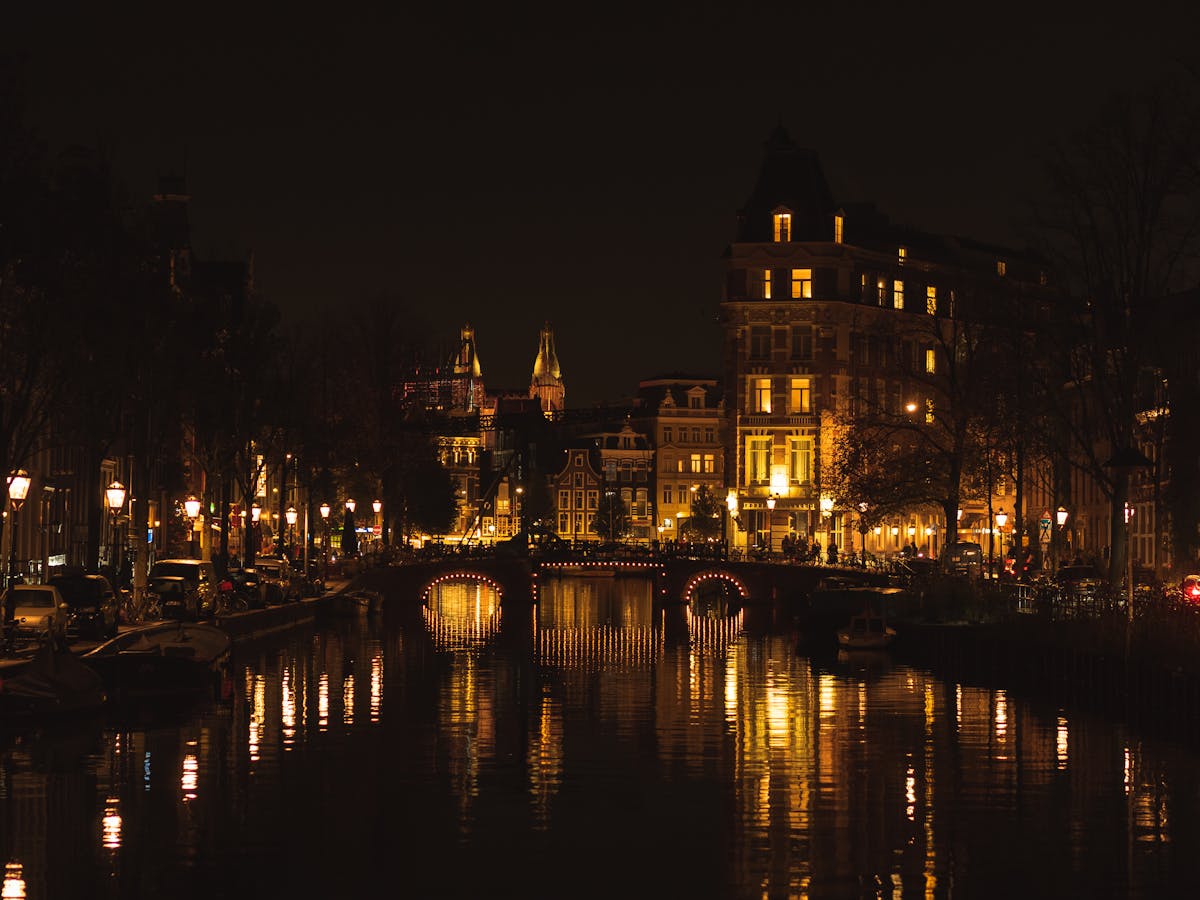
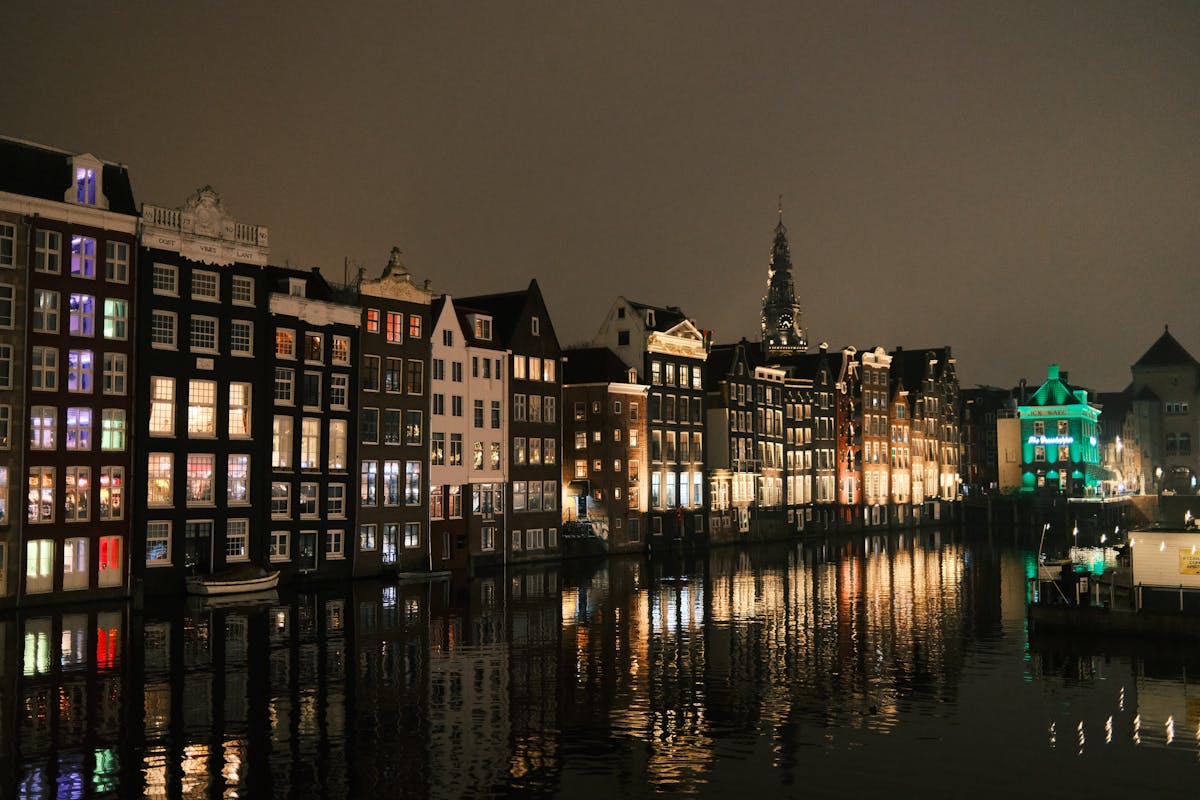
Amsterdam after dark is a different city. The canals catch the light from a thousand windows, bikes weave through streets that somehow get busier at midnight, and the sound of music leaks out of doorways you’d walk right past during the day.
In This Article
- Where to Go Out: Amsterdam’s Nightlife Districts
- Leidseplein — The All-Rounder
- Rembrandtplein — Bigger Clubs, Bigger Crowds
- Red Light District — More Than You Think
- Amsterdam West — The Underground Scene
- Amsterdam Noord — Across the Water
- The Practical Stuff
- Drink Prices and the Token System
- Getting In: Dress Codes and Age Limits
- Getting Home
- Finding Events
- Brown Cafes: The Other Amsterdam Nightlife
- Best Nights of the Week
- Safety and Common Sense
- What to Skip
- The Short Version
I’ve spent more nights out in Amsterdam than I can count — some brilliant, some expensive lessons in where not to go. This guide is the honest version. Not every bar deserves your time, and not every area lives up to the hype.
Where to Go Out: Amsterdam’s Nightlife Districts
Amsterdam’s nightlife isn’t one scene — it’s about five, spread across the city. Where you end up depends on what kind of night you want.
Leidseplein — The All-Rounder
Leidseplein is where most people start, and honestly it’s not a bad choice. The square itself is packed with overpriced terrace bars that exist purely for tourists sitting in the cold — skip those. The good stuff is on the side streets.
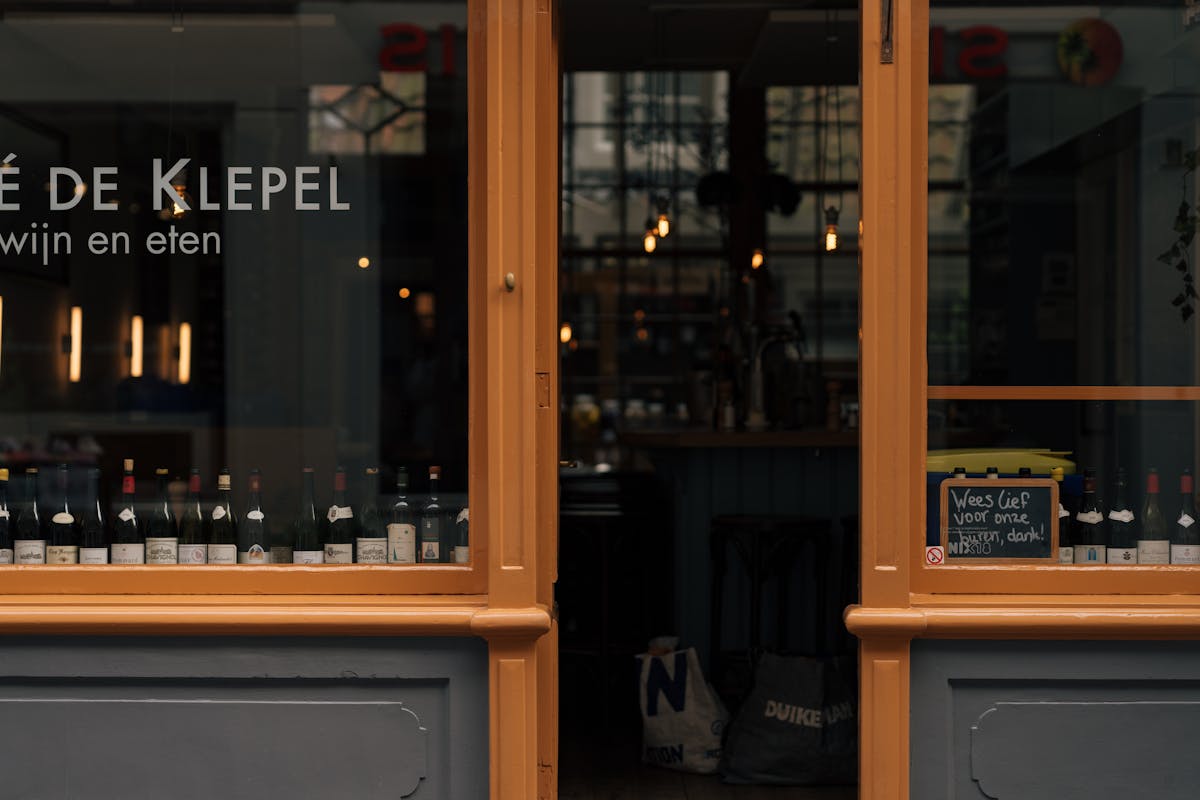
Lange Leidsedwarsstraat and Korte Leidsedwarsstraat are where you want to be. Chupitos has over 150 different shots on the menu and gets loud fast. Amsterdamned does decent drink deals during the week. For something calmer, Café De Spuyt and De Krul are proper brown cafes where you can nurse a Heineken and actually hear yourself talk.
The big draws are Paradiso and Melkweg, two of the most famous live music venues in the Netherlands. Paradiso is a converted church — the acoustics and the atmosphere are something else. Melkweg runs themed nights throughout the week: Cheeky Monday for drum and bass, Techno Tuesday if that’s your thing. Neither is cheap, but both are worth it at least once.
Cooldown Café and Bubbles on Lange Leidsedwarsstraat pull a younger Dutch crowd — cheap beers, Dutch sing-along pop music, and door staff who prefer locals over big tourist groups. Don’t take a stag party there.
The best thing about Leidseplein is that everything is within a five-minute walk. You can bar-hop all night without getting in a taxi.
Rembrandtplein — Bigger Clubs, Bigger Crowds
Rembrandtplein is the other main nightlife square, and it trends larger and louder than Leidseplein. The clubs here are proper big-room affairs: Escape is one of Amsterdam’s largest nightclubs with room for over 2,000 people. Club Air has multiple floors and solid sound systems. Claire attracts a slightly more dressed-up crowd.
Coco’s Outback is always heaving — it’s the kind of place that’s fun if you’re in the right mood and unbearable if you’re not. Club Smokey sits right next to a coffeeshop of the same name, which tells you everything about the vibe.
The real reason to know about Rembrandtplein is Reguliersdwarsstraat, the street running off the south side of the square. This is the heart of Amsterdam’s LGBTQ+ nightlife scene. Club NYX is the standout — their “3xNyx till 9am” events are legendary if you’ve got the stamina. Café Exit keeps things going with daily club nights. The crowd here is mixed, welcoming, and up for it.
One thing worth knowing about Rembrandtplein: the square gets rowdy late on weekends. Around 2-3am you’ll see the usual end-of-night chaos — arguments over taxis, people swaying into traffic, the odd broken glass. It’s not dangerous exactly, but it’s not pleasant either. The smart move is to pick your club, stay inside, and leave when you’re ready to go home rather than hanging around the square itself.
If you’re into live comedy, Boom Chicago on Rozengracht (a short walk from Rembrandtplein) does English-language improv shows most nights. Good for the earlier part of the evening before the clubs open properly. The shows are genuinely funny — they’ve been running since the mid-90s and several alumni ended up on American TV.
Red Light District — More Than You Think
Most tourists end up in the Red Light District at some point, usually wide-eyed and holding a beer they paid too much for. And yes, most of the bars along the main alleys are exactly what you’d expect — overpriced, over-lit, and designed to empty your wallet before you notice.
But there are exceptions. Café ‘t Mandje on Zeedijk is one of Amsterdam’s oldest gay bars, dating back to 1927. It’s tiny, it’s packed, and the walls are covered in ties cut from customers’ necks over the decades. Brouwerij de Prael on Oudezijds Armsteeg is a brewery taproom with its own beers and a genuinely relaxed atmosphere that feels like it belongs in a different neighborhood entirely.
Zeedijk itself has quietly become one of the more interesting streets in the area. The top end near Nieuwmarkt has a string of good Asian restaurants and a handful of bars that have nothing to do with the Red Light District at all. Café de Engelbewaarder on Kloveniersburgwal does live jazz on Sunday afternoons — completely different energy from the rest of the neighborhood.
The De Wallen area works best as a place to wander early in the evening before heading somewhere else. After midnight it gets messy — pickpockets work the narrow alleys and the crowd tilts heavily toward drunk tourists looking for trouble. Keep your phone in your front pocket and don’t stop to take photos of the windows — it’s disrespectful and the women will tell you so.
Amsterdam West — The Underground Scene
If you care about electronic music, West is where Amsterdam gets serious. This is where the techno clubs are, the kind of venues that draw people from Berlin and London on a weekend flight.
De Marktkantine on Jan van Galenstraat is a converted market hall with an industrial feel and room to move. The programming is consistently good. Radion in Nieuw-West has been a staple of the Amsterdam techno scene for years — rough around the edges in the best way.
Pacific Parc in the Westerpark area straddles the line between bar and club — it’s a huge glass-walled space that feels like a greenhouse, with a terrace overlooking the park that’s packed in summer. Good for groups because it doesn’t take itself too seriously. The kitchen stays open late too, which is rare for Amsterdam nightlife venues.
The West is less walkable than the center. Tram 17 or 13 gets you close to most venues, or it’s about a 20-minute bike ride from Centraal. Uber works but the surge after 2am in this area can be brutal because there are fewer cars out here. The trade-off for the extra travel is fewer tourists, more space on the dance floor, and lineups that take the music seriously. If you’re spending a weekend in Amsterdam specifically for the club scene, base yourself in West rather than the tourist center — you’ll save money on accommodation too.
Amsterdam Noord — Across the Water
Take the free ferry from Centraal Station — five minutes and you’re in a different Amsterdam entirely. Noord’s nightlife centres around the former NDSM shipyard, a massive industrial complex that’s been converted into studios, restaurants, and event spaces.
Shelter is the big name here — a basement club in the A’DAM Tower with a Funktion-One sound system and a no-photos policy that keeps the pretenders away. Tolhuistuin, in a beautiful old Shell canteen building, does everything from jazz to techno depending on the night.
Thuishaven (literally “home harbor”) runs marathon day-to-night parties in the summer that start at noon on Sunday and don’t stop until Monday morning. It’s outdoors, it’s on the waterfront, and on a warm day it’s one of the best party experiences in Europe. Tickets sell out in advance for the bigger events — check their site early in the week.
The whole Noord scene has a different energy. It attracts a more local crowd, people who actually live in Amsterdam rather than tourists on a weekend break. The dress code is basically non-existent, the music programming is more adventurous, and there’s a sense that you’re somewhere the city is actually going rather than somewhere it’s been for 20 years. If you only have one night in Amsterdam and you care about clubs more than convenience, Noord is where I’d send you.
The catch: the last ferry back to Centraal runs around 3am on weekends. Miss it and you’re either paying for a taxi the long way around or sleeping on a bench until 6am when the boats start again.
The Practical Stuff
Drink Prices and the Token System
A beer in an Amsterdam bar costs around 5-6 euros. In clubs, expect 6-8 euros. Cocktails run 12-15 euros in most places, more in the upmarket spots.
Many larger clubs and festivals use a token system instead of cash at the bar. You buy tokens at one counter, then exchange them for drinks at another. It sounds simple. It isn’t. You’ll queue twice, you’ll miscalculate, and you’ll end up with leftover tokens you can’t refund. Budget roughly 3 euros per token, one token per beer, 2.5-3 tokens per mixed drink. Buy what you’ll actually drink, not a round number.
Getting In: Dress Codes and Age Limits
Age limits vary: most clubs are 18+, some of the bigger venues (Escape, Club Air) enforce 21+ on certain nights. Always bring ID — Dutch bouncers actually check it.
Dress codes are generally relaxed compared to London or Paris. Clean trainers are fine almost everywhere. The exception is the more upscale clubs around Rembrandtplein where sports gear and flip-flops will get you turned away. For the techno venues in West and Noord, wear whatever you want — nobody cares.
Big groups of men — especially stag parties — get turned away at a lot of doors. If you’re a group of six guys, split up or expect problems.
Getting Home
Clubs close between 4am and 5am on weekends. The trams stop running around midnight and start again at 6am. That leaves a gap.
Night buses run on some routes but they’re infrequent and confusing. Most locals solve this problem with a bicycle — you’ll see hundreds of bikes locked up outside every club. If you don’t have a bike, Uber works fine but surges hard after 3am. A taxi from Leidseplein to anywhere in the center costs around 15-20 euros; to Amsterdam West or the outskirts it can hit 30-40 euros.
The ferry to Noord runs until about 3am on Friday and Saturday nights. Don’t cut it close.
Finding Events
Amsterdam clubs don’t stick to one genre. The same venue might host a hip-hop night on Thursday, techno on Friday, and a Latin party on Saturday. You need to check what’s actually on, not just where to go.
Partyflock is the go-to for electronic music listings. It’s Dutch-language but easy to navigate, and you can filter by genre — useful if you want hardstyle specifically or drum and bass specifically, rather than just “club music.” Resident Advisor (ra.co) covers the more international bookings. For mainstream events, check the venue’s own Instagram.
Brown Cafes: The Other Amsterdam Nightlife
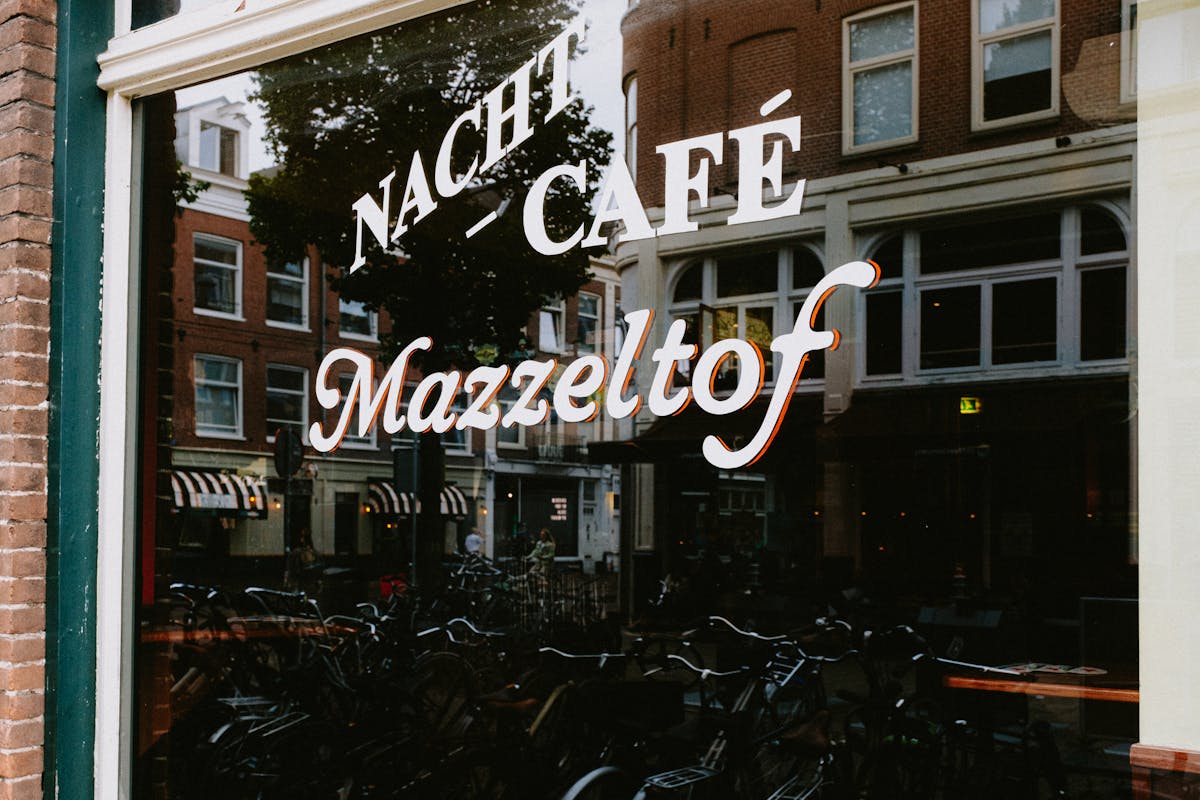
Not everything in Amsterdam happens in clubs. The city’s bruine kroegen (brown cafes) are as much a part of the nightlife as any DJ booth.
These are old-school Dutch pubs — dark wood, stained ceilings from decades of tobacco smoke, beer taps with local brews, and a cat sleeping on the bar. They’re called “brown” because of the interior, not the beer (though the beer is often brown too).
The best ones are tucked into the Jordaan and along the smaller canals. Café ‘t Smalle on Egelantiersgracht is a stunner — a 17th-century building right on the water with a terrace that fills up the moment the sun appears. Café Papeneiland on Prinsengracht has been pouring since 1642 and makes apple pie that’s famous across the city.
Café Nol on Westerstraat is another Jordaan classic — the owner leads Dutch sing-alongs on weekend nights and the whole place turns into a karaoke session by 11pm. It’s chaotic and wonderful and exactly the kind of thing you won’t find on TripAdvisor’s “top 10 bars” lists.
Proeflokaal Arendsnest on Herengracht deserves a special mention. It serves exclusively Dutch-brewed beers — over 100 of them on tap and in bottles. If you think Dutch beer starts and ends with Heineken, this place will change your mind in about ten minutes. The bartenders know every beer on the menu and will guide you through it if you ask.
Brown cafes generally close between midnight and 1am during the week, 2am or 3am on weekends. They’re perfect for the first part of the evening before you decide whether you’re going out properly or calling it a night.
Best Nights of the Week
Amsterdam’s nightlife peaks on different nights depending on what you’re after.
Monday: Quiet everywhere except Melkweg’s Cheeky Monday (drum and bass). Most brown cafes are open but clubs are dead.
Tuesday: The quietest night. Melkweg runs Techno Tuesday. Otherwise, stick to bars.
Wednesday: Student nights at several venues — cheaper entry and drinks at Escape and some Leidseplein bars. The crowd skews young.
Thursday: The city starts waking up. Many clubs open properly on Thursday. Reguliersdwarsstraat gets going. This is the sweet spot if you want a good night without Saturday-level crowds.
Friday: Full-on. Every club and bar is open. Expect queues at popular spots from 11pm onwards. Pre-drink at a brown cafe and arrive at clubs before midnight to avoid the worst lines.
Saturday: The busiest night. Amsterdam fills up with weekend visitors from the UK, Germany, and Belgium. Leidseplein and Rembrandtplein are packed to the point where moving between bars takes effort. The warehouse venues in West and Noord are at their best — big events, good lineups, proper production.
Sunday: In summer, Thuishaven and other outdoor venues run legendary daytime parties. In winter, Amsterdam is dead by 9pm on a Sunday. Some brown cafes stay open late but don’t expect much.
Safety and Common Sense
Amsterdam is generally safe at night, more so than most European capitals. But some common issues catch tourists off guard.
Pickpockets work the Red Light District alleys, Leidseplein, and the late-night tram stops. Keep your phone and wallet in front pockets. Don’t flash expensive cameras or watches.
Watch for the bike lanes. Seriously. Drunk tourists wandering into a bike lane at 2am is practically a spectator sport in Amsterdam. The cyclists won’t swerve for you and they’re going faster than you think. The bike lanes are usually red asphalt — stay off them.
The canals have no railings in most places. Every year people fall in, usually after drinking. It sounds funny until you realise the water is freezing and the canal walls are smooth with no way to climb out. Walk on the building side of the street, not the canal side, when you’ve had a few.
Drugs are complicated in Amsterdam. Cannabis from licensed coffeeshops is tolerated but technically still illegal. Everything else is illegal, full stop. Street dealers around Leidseplein and the Red Light District sell mostly fake or dangerous stuff — the police know they’re there and occasionally you’ll see a plain-clothes arrest. Don’t buy from them.
What to Skip
I’ll save you some money and a bad night. The terrace bars ON the main squares (Leidseplein, Rembrandtplein, Dam Square) are tourist traps. You’ll pay double for a beer and get half the atmosphere. Walk fifty meters down any side street and everything improves.
The Red Light District bar crawls that touts push on tourists are overpriced and send you to the worst bars in the area. If you want a pub crawl, the ones starting at Candela Bar near Leidseplein are better — you at least get free entry to the clubs and drink deals that partly make up for the ticket price.
And a word on timing: Tuesday is the quietest night. Thursday through Saturday is when the city really gets going. Sunday during the summer has some excellent daytime parties in Noord, but in winter the city is dead by 10pm on a Sunday.
The Short Version
Start in a brown cafe in the Jordaan. Move to Leidseplein if you want variety and easy bar-hopping. Hit Rembrandtplein for bigger clubs and the LGBTQ+ scene on Reguliersdwarsstraat. Cross to Noord for the warehouse parties and summer day-raves. Head West for serious techno. And whatever you do, figure out how you’re getting home before your third drink.